
The Odyssey’s secret to long-term investing
Homer’s Odyssey turns out to be one of the best guides to long-term investing ever written – three thousand years before the ASX existed.
Last week I went to see Christopher Nolan’s The Odyssey, and it got me thinking about how Homer’s epic compares to an investor’s journey.
In Homer’s tale, Odysseus takes ten years to make it back to his homeland after the Trojan War. Seven of those years are spent in the rather pleasant embrace of Calypso, played by Charlize Theron in the film. I have to say, there would be worse ways to spend seven years. Maybe we could compare those years to investing on the ASX, where time slips by, markets drift sideways, and you wonder whether you’ve achieved anything at all.
Everyone wants to talk about the next 10% move in the ASX. Nobody wants to talk about the next 30 years. Yet that’s the journey most investors are actually taking. They’re trying to get to Ithaca.
Homer wrote about it nearly 3,000 years ago. Not the share market, obviously, but about the long road home, the distractions, the disasters, the lucky escapes and, above all, simply keeping going. Investing is far closer to The Odyssey than it is to The Wolf of Wall Street.
Perhaps we should compare Odysseus’ journey home with investing. If Ithaca is retirement, then it isn’t about beating the market every year or buying NVIDIA (NASDAQ: NVDA) at $20. It is about reaching financial independence. It is about arriving. After all, The Odyssey finishes when Odysseus gets home to his dog, his wife Penelope and, finally, his own bed.
The battle is won – now the hard part begins
Homer’s story begins after the Battle of Troy has been won, courtesy of the famous wooden horse. The battle is over. Now comes the difficult bit, getting home. In investment terms, starting is easy. Staying the course for decades is the real challenge.
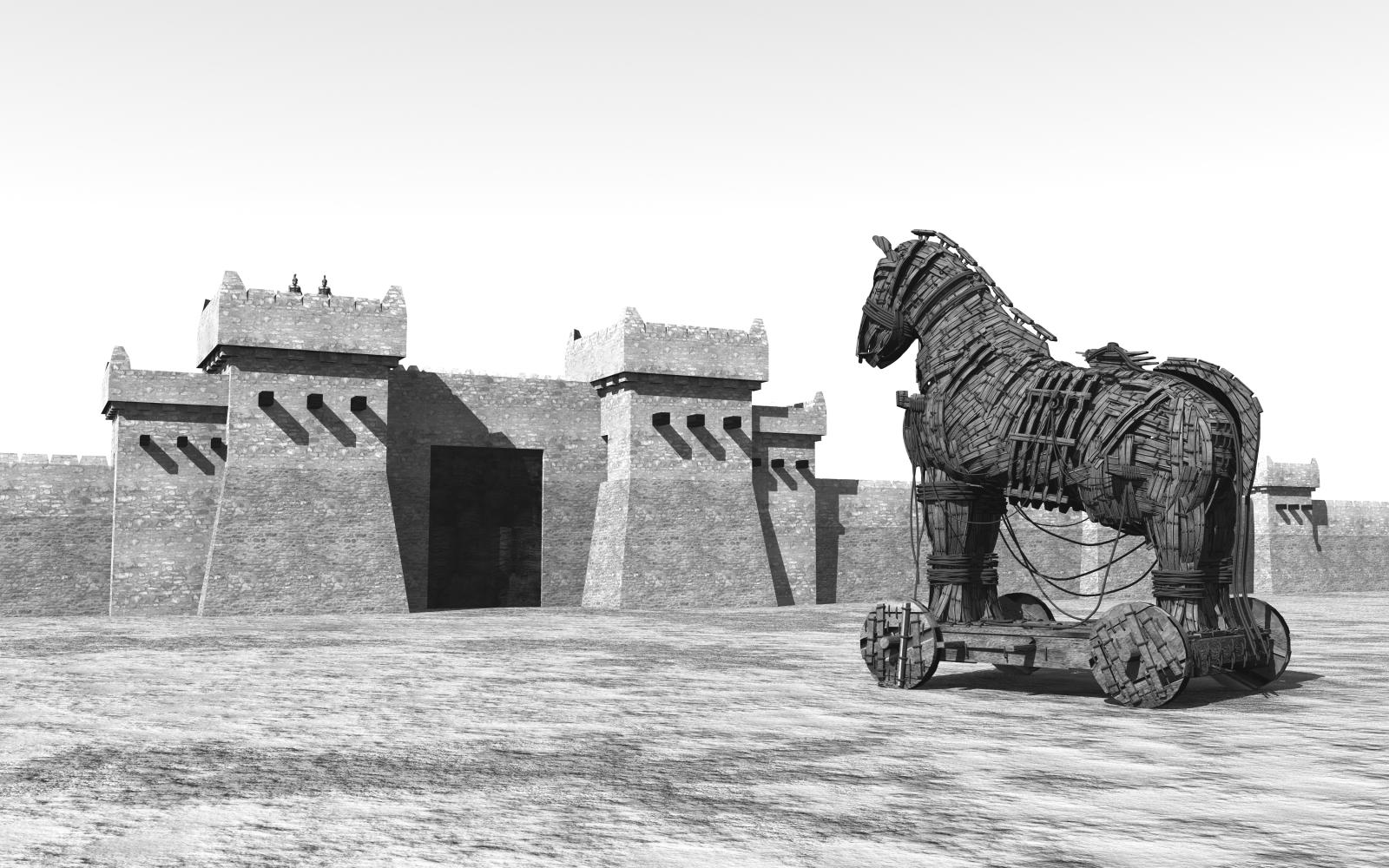
Poseidon and the sea are the markets, completely indifferent to your plans. Markets don’t care about your retirement. They don’t hate you. They don’t even know you exist. They simply produce storms from time to time.
The land of the Lotus Eaters
Then we reach the Land of the Lotus Eaters, where complacency takes hold. It is easy to see a modern parallel. Global markets sit close to record highs despite higher bond yields, sticky inflation, elevated oil prices and AI valuations that are beginning to stretch credibility. It is tempting to believe everything will simply work out.

Who can blame Odysseus for being distracted when Charlize Theron is inviting him to stay?
For investors, the Lotus Eaters represent never checking your super, leaving too much money sitting in cash, or assuming someone else will take care of your retirement. Comfort is seductive. Years disappear remarkably quickly. Odysseus eventually realises that comfort without progress is simply another form of failure.
The Sirens’ song of easy money
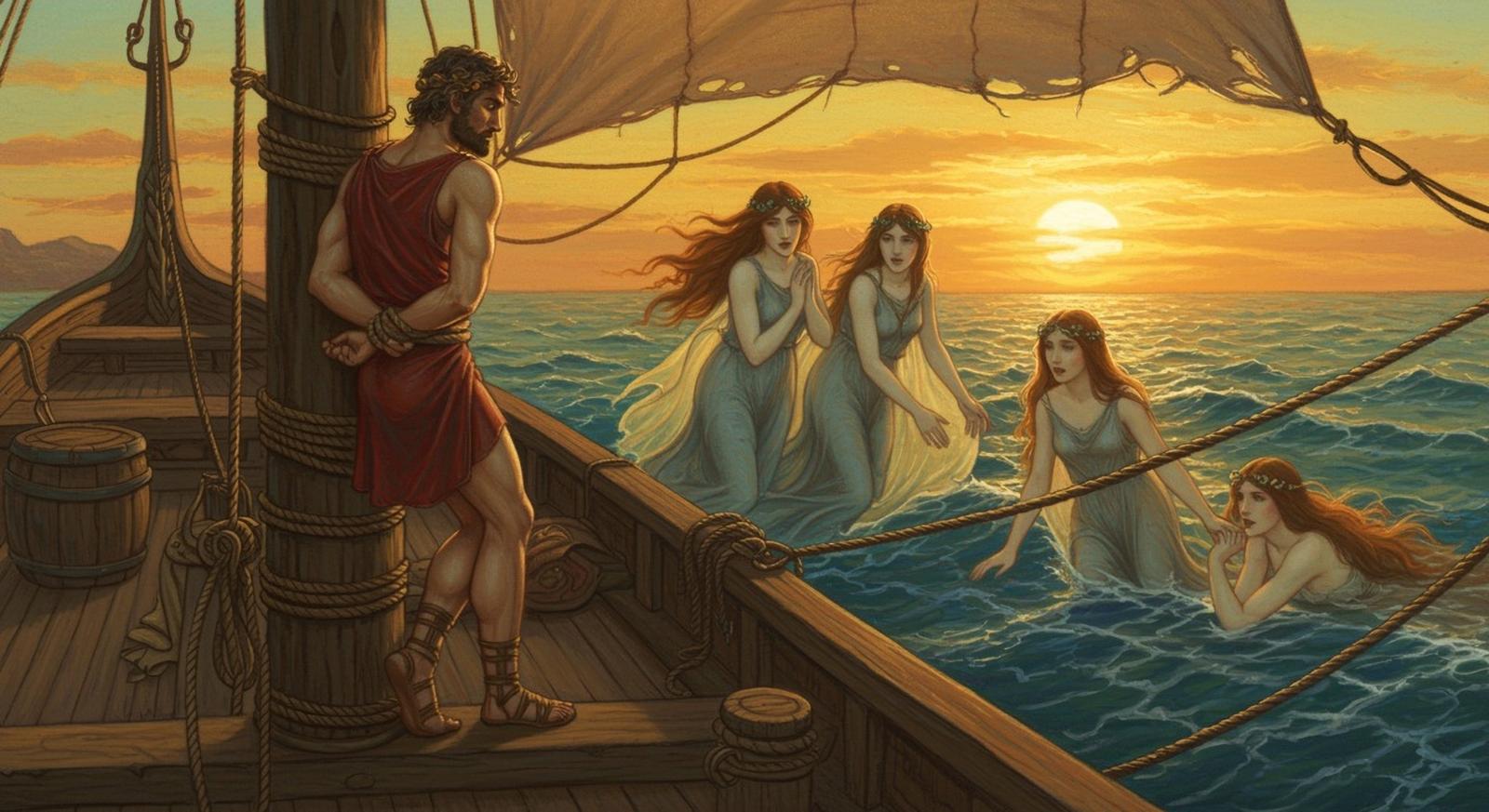
Then come the Sirens. The Sirens today don’t sing from rocky islands; they appear on social media promising 20% annual returns. This is FOMO.
Bitcoin. Meme stocks. The latest AI darling.
Every generation has its Sirens, singing songs of effortless riches. Everyone hears them. Most investors are tempted.
Odysseus has himself tied to the mast. He still hears the songs, but cannot act on them. Good investors need the same discipline: asset allocation, position sizing, risk management — systems that stop emotion taking over.
The trick isn’t avoiding temptation. It’s surviving it.
No good choices, and no room for hubris
Then come the clashing rocks and the whirlpools. Scylla and Charybdis. Sometimes investing presents no good choices. Do you buy the dip? Raise cash? Hold your nerve? Sometimes every option carries risk.
Odysseus loses six men to Scylla, but it is still the least bad outcome. Investing can be the same. Sometimes success is simply losing less than you otherwise would have.
Then we meet the Cyclops. This is arrogance. Hubris. The belief that every success is your own genius.
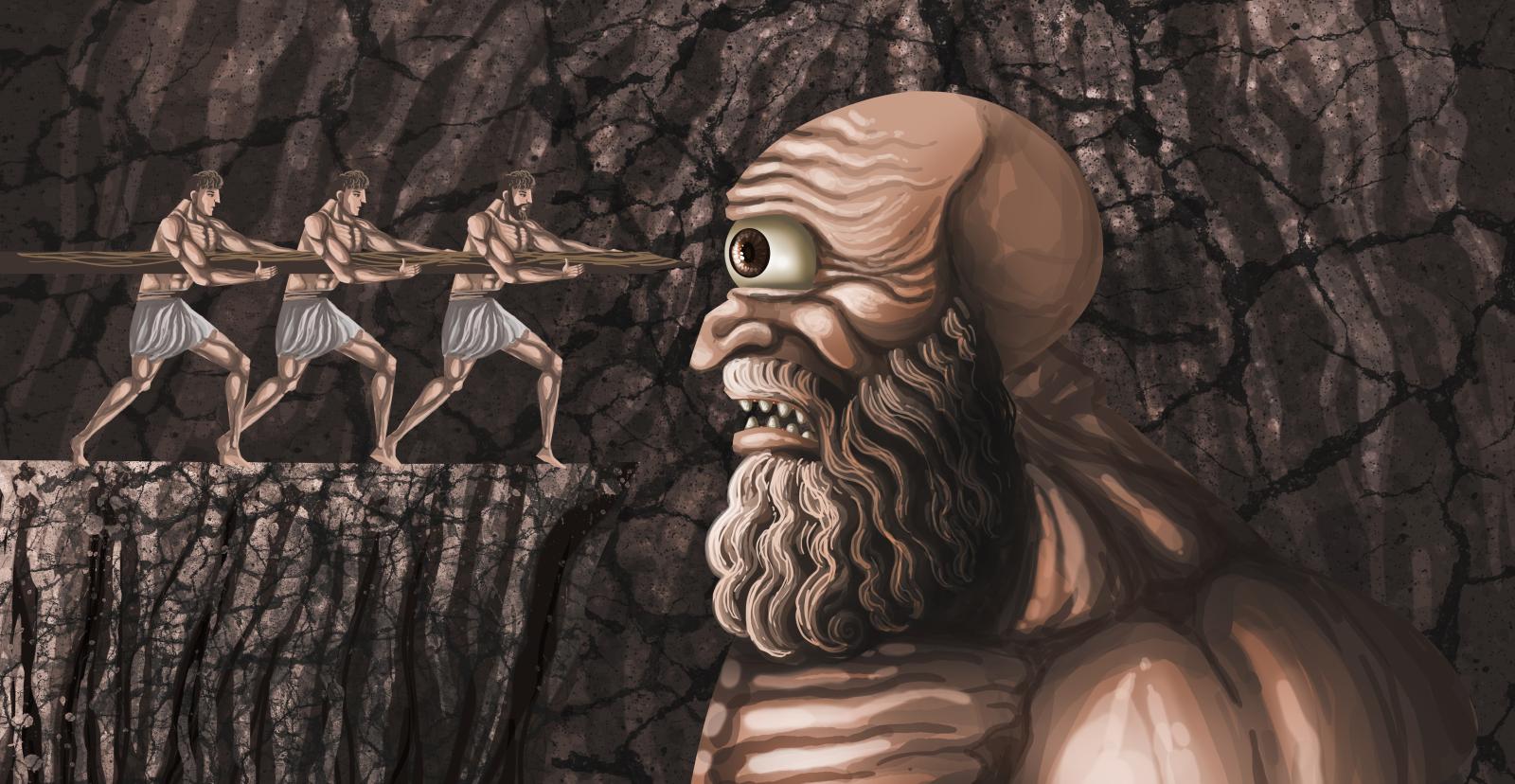
Odysseus defeats the Cyclops through cleverness rather than strength, but even then there is a sting in the tail. Markets have a habit of humbling the overconfident just when they think they have everything worked out.
Every bull market creates a few Cyclopes.
Circe, Penelope and the discipline to stay the course
Then there is Circe who turns men into swine. We have all got those stocks that have turned from a great idea to a dog or a long-term hold. That trade that you end up bottom drawing!
Our own investing journeys are also buffeted by the winds of behaviour. Selling winners too early. Taking profits simply because we can. Hanging on to losers in the hope they recover. Behaviour destroys far more wealth than markets ever do.
She is a wonderful metaphor for patience — one of the biggest parallels in the whole story. She quietly waits, weaving her tapestry while the years pass. She isn’t distracted by the suitors. She plays the long game. She trusts that eventually the journey will end.

Compounding is rather like Penelope. Quiet. Unexciting. Relentless.
Athena, the final test and arriving home
Along the way, Odysseus is guided by Athena, the goddess of wisdom. Every investor needs an Athena.

Not someone who predicts markets, but someone who encourages sensible decisions, filters out the noise and occasionally talks you out of doing something spectacularly stupid. Good advisers don’t eliminate storms. They simply help you sail through them.
At the end of the story comes the final test. Odysseus alone can string his great bow and fire an arrow cleanly through the axe heads. Investing is much the same. Only you can complete the journey.
Experience matters. Pure strength isn’t enough. It takes knowledge, discipline and perspective to reach your destination.
By the time Odysseus reaches Ithaca, he has endured shipwrecks, storms, monsters, mutinies and painfully slow progress, yet throughout it all he never loses sight of where he is trying to go. That, perhaps, is the biggest lesson for investors.
Retirement isn’t won by finding the next ten-bagger. It is achieved by surviving long enough to arrive.
As the old saying goes, the stock market transfers wealth from the impatient to the patient. Homer simply got there first.
The greatest risk to an investor is rarely the market. It’s abandoning the voyage.
That’s a lesson Homer understood long before there were stock exchanges, ETFs or CNBC.